First Amendment Victory: Afroman's Raid Videos Protected as Parody
In a landmark decision echoing across the landscapes of artistic expression and civil liberties, Grammy-nominated rapper Afroman, whose real name is Joseph Edgar Foreman, has emerged victorious in a high-stakes
Afroman defamation lawsuit. A jury sided firmly with the musician, affirming that his satirical music videos, which ingeniously utilized footage from a controversial 2022 police raid on his Ohio home, were protected under the venerable shield of the First Amendment. This outcome not only marks a significant personal triumph for Foreman but also sends a powerful message about the boundaries of parody and the right to criticize public officials in the digital age.
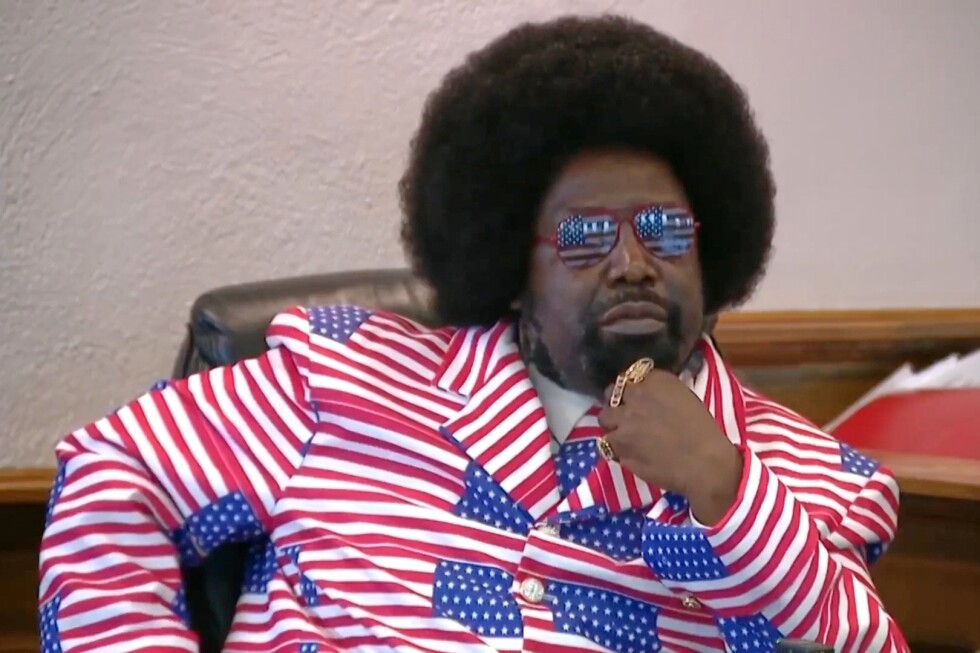
The lawsuit, brought by seven members of the Adams County Sheriff’s Office, sought nearly $4 million in damages, alleging a litany of grievances ranging from emotional distress and ridicule to reputational harm and unauthorized use of their likeness. However, the verdict, delivered in Adams County, Ohio, decisively stated, "In all circumstances, the jury finds in favor of the defendant. No plaintiff verdict prevailed. So the matter will be concluded with defense verdicts," as announced by Judge Jonathan P. Hein. A jubilant Afroman celebrated the outcome, exclaiming, "WE DID IT AMERICA! GOD BLESS AMERICA! LAND THAT I LOVE! FREEDOM OF SPEECH!!!!!!!!!!!" His victory underscores the critical role of satire and commentary, especially when it targets figures of authority.
The Anatomy of a Controversy: Raid, Videos, and Legal Fallout
The genesis of this compelling legal battle traces back to an August 2022 raid on Afroman's home in Winchester, Ohio. Law enforcement, operating under a warrant citing suspicions of drug trafficking and kidnapping, entered his residence. Crucially, no charges were ultimately filed against the rapper, leaving him with an undeniable sense of grievance and a wealth of home security footage capturing the entire incident.
Rather than succumbing to silence, Afroman leveraged his artistic platform to respond. He ingeniously integrated the security footage into a series of music videos, creating tracks like "Lemon Pound Cake," which humorously highlighted the officers' apparent interest in a dessert found in his kitchen, and "Will You Help Me Repair My Door." These videos quickly went viral, accumulating millions of views on YouTube and across social media platforms. Beyond the music, Afroman also used the images on merchandise, transforming a personal invasion into a public spectacle of satire.
The deputies involved perceived these creative endeavors not as commentary, but as a direct attack. They accused Afroman of defamation, invasion of privacy, and unauthorized use of their likeness, arguing that his portrayal subjected them to ridicule and tarnished their professional and personal reputations. The core of their argument rested on the premise that Afroman made false statements and used their images without consent, causing significant distress.
The Heart of the Defense: First Amendment and Protected Parody
Afroman's legal team mounted a robust defense, centering their arguments on the bedrock principles of the First Amendment. They successfully convinced the jury that the rapper's music videos and associated content were protected forms of *parody* and *social commentary*. This distinction is critical in defamation law, as satire often enjoys broader protection than direct factual claims.
Defense lawyer David Osborne succinctly articulated the defense's position: "No reasonable person would expect a police officer not to be criticized. They’ve been called names before." This statement encapsulates a fundamental aspect of free speech in a democratic society: public officials, by virtue of their roles, are subject to public scrutiny and criticism, often of a robust and even cutting nature. The law recognizes that fear of being sued for every critical remark would stifle legitimate public discourse and accountability.
Afroman himself testified that his songs and music videos were an exercise of his fundamental right to free speech. He portrayed his work as an artistic response to an event he felt was an infringement on his rights and privacy, transforming personal frustration into public art. The jury's verdict validated this perspective, reaffirming that artistic expression, even when it's pointed, critical, and uses recognizable figures, can fall squarely within the bounds of protected speech, especially when it takes the form of parody. This outcome sends a clear message about the expansive reach of free expression, as further explored in articles like
Afroman Wins Defamation Suit: Free Speech Prevails Over Deputies.
Emotional Toll vs. Artistic Expression: The Trial's Human Element
The trial was not without its emotional moments, highlighting the profound tension between personal offense and constitutional rights. Deputies testified to the significant personal and emotional harm they experienced as a result of Afroman's content. Deputy Randolph L. Walters Jr. became particularly emotional, detailing the impact of claims that he says falsely implicated his wife in infidelity with Afroman. "It’s caused tremendous pain in my life," Walters stated, also asserting that being labeled negatively, including as a "thief," had damaged his reputation. Another Ohio deputy reportedly became emotional in court while watching a music video that mocked her, underscoring the deep personal hurt felt by the plaintiffs.
These testimonies presented the jury with a delicate balancing act: acknowledging the genuine emotional distress experienced by the deputies while upholding the constitutional protections afforded to artistic and critical expression. The legal system often grapples with this intersection, particularly when public figures are involved. For defamation to succeed, plaintiffs generally must prove that the statements were not only false but also made with "actual malice"—meaning the speaker knew the statement was false or acted with reckless disregard for the truth. In cases involving public figures or matters of public concern, this bar is intentionally set high to prevent chilling legitimate criticism.
The jury's decision suggests they found Afroman's videos to be more akin to satirical commentary rather than malicious falsehoods designed purely to harm. They likely considered the context—a response to a police raid that yielded no charges—and the artistic nature of the work. This legal interpretation highlights that while emotional distress is a valid human experience, it does not automatically trump First Amendment protections, particularly when the expression is recognized as parody or social commentary.
Broader Implications: A Landmark for Free Speech
The victory in the
Afroman defamation lawsuit transcends the specifics of this single case; it serves as a significant precedent for artists, public figures, and the broader discourse on free speech. This ruling reinforces several critical principles:
-
The Power of Parody: It affirms that parody, even when it targets specific individuals and uses their likeness without explicit permission, can be a protected form of speech. This offers a crucial safeguard for satirists, comedians, and musicians who use humor and exaggeration to comment on societal issues or specific events.
-
Criticism of Public Officials: The verdict underscores the robust protection afforded to criticism of public officials. The expectation that police officers, by virtue of their public duties, will be subjected to scrutiny and even ridicule, is a cornerstone of democratic accountability. This case reminds us that the threshold for proving defamation against public servants is, and should remain, high.
-
Artist Empowerment: For independent artists and creators, this win is incredibly empowering. It suggests that they can use their experiences, even traumatic ones, as material for their art without immediate fear of crippling lawsuits, provided their work is interpretative and transformative rather than purely factual and malicious. More insights into this can be found in Afroman Beats $4M Lawsuit: A Win for Artists and Free Expression.
-
Navigating the Digital Landscape: In an era where home security cameras and social media can instantly turn private events into public spectacles, this case provides a critical legal framework for how individuals can reclaim their narratives through creative expression.
Tips for Artists and Public Figures Post-Afroman Ruling:
For artists aspiring to use real-world events or figures in their work:
-
Understand Parody: Ensure your work is clearly identifiable as parody, satire, or commentary. This involves exaggeration, humor, and a clear transformative element rather than direct factual reporting.
-
Context is Key: The context of your creation matters. A direct response to a perceived injustice, as in Afroman's case, can strengthen a free speech defense.
-
Consult Legal Counsel: While this ruling is encouraging, the specifics of defamation law can be complex. When in doubt, seek legal advice, especially if directly referencing identifiable individuals.
For public officials:
-
Expect Scrutiny: Accept that public service often comes with public criticism, some of which may be uncomfortable or even perceived as unfair.
-
Focus on Substance: When responding to criticism, focus on addressing the underlying issues or perceptions rather than attempting to legally suppress artistic or satirical commentary.
-
Understand Legal Limitations: Be aware that proving defamation against public figures is a high legal bar, designed to protect free speech.
Afroman's celebration outside the courthouse—"Freedom of speech! Right on! Right on!"—was more than a personal shout of joy; it was a reaffirmation of fundamental American values. His case stands as a powerful testament to the enduring strength of the First Amendment and its vital role in protecting artistic expression, even when that expression challenges authority and generates discomfort. The jury's decision has cemented this legal victory as a significant moment for freedom of speech in the United States.