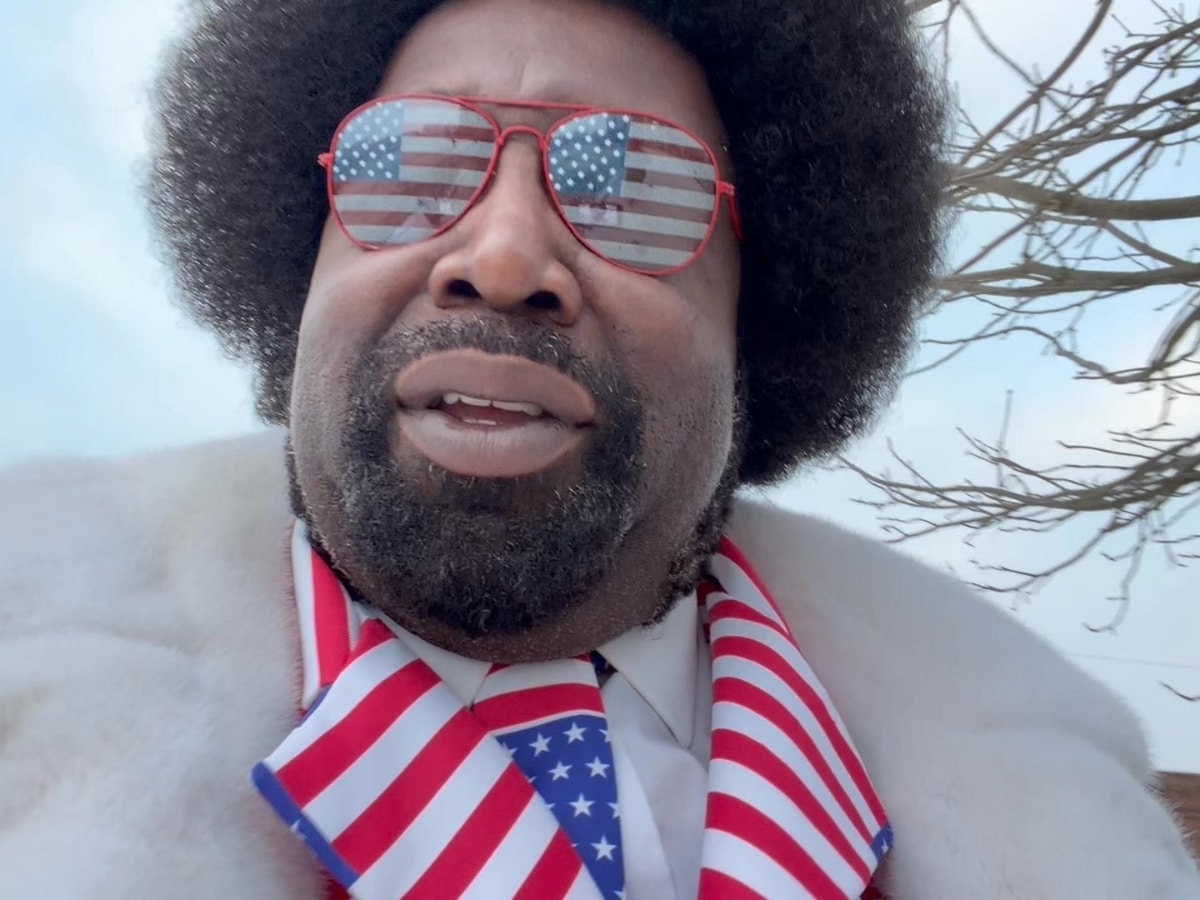
A Monumental Victory for Creative Freedom
In a landmark decision that sent ripples across the entertainment and legal worlds, Joseph Edgar Foreman, better known as Grammy-nominated rapper Afroman, has emerged victorious from a high-stakes legal battle. A jury in Adams County, Ohio, sided with the artist in the Afroman defamation lawsuit, which saw seven members of the local sheriff’s office seeking nearly $4 million in damages. This wasn't just a win for Afroman; it was a powerful affirmation of free speech and artistic expression, setting a significant precedent for creators navigating the increasingly complex landscape of digital content and public commentary.
The case stemmed from a controversial 2022 raid on Afroman’s home, an incident the rapper documented and transformed into viral music videos. These videos, far from being mere recordings, became potent instruments of parody and social commentary, capturing the attention of millions and ultimately placing the artist at the heart of a crucial First Amendment debate. The verdict, announced in Afroman's favor, underscores the judiciary's commitment to protecting the artistic license, even when it challenges authority and sparks discomfort.
The Genesis of a Viral Saga: A Raid, a Rapper, and Raw Footage
The saga began on a seemingly ordinary August day in 2022 when Adams County Sheriff’s deputies executed a warrant at Afroman’s Winchester, Ohio residence. The warrant, reportedly tied to suspicions of drug trafficking and kidnapping, led to a thorough search of his home. Crucially, no charges were ever filed against the rapper, leaving the initial justification for the extensive raid in question.
What the deputies didn't account for, however, was Afroman's quick wit and his home security system. The raid was captured in its entirety by his cameras, providing raw, unfiltered footage. Instead of letting the incident fade into memory, Afroman, a seasoned artist known for his observational humor, seized the opportunity to transform a personal grievance into public art. He meticulously edited the footage, setting it to new tracks like the immensely popular "Lemon Pound Cake" and "Will You Help Me Repair My Door," which garnered millions of views on YouTube.
These videos didn't just depict the raid; they satirized it. They highlighted specific moments, such as deputies' apparent interest in a lemon pound cake found in his kitchen, and critically examined the officers' actions. This creative response, deeply rooted in the tradition of protest music and parody, was a direct expression of his frustration and an artistic challenge to the power dynamics at play. It was this bold act of creation that ultimately led to the Adams County Sheriff’s Department filing the Afroman defamation lawsuit, claiming emotional distress, reputational harm, and unauthorized use of their likeness.
At the Core of the Dispute: Defamation, Likeness, and Emotional Harm
The heart of the deputies' case against Afroman lay in claims of defamation and invasion of privacy. Seven members of the sheriff’s office collectively sought nearly $4 million in damages, arguing that Afroman's music videos, merchandise, and social media posts following the raid had caused them significant personal and emotional harm. Their primary grievances included:
- Unauthorized Use of Likeness: The deputies argued that Afroman used their images and likenesses in his videos and promotional materials without permission, profiting from their unwilling participation.
- False Statements and Defamation: They claimed Afroman made false and damaging statements about them in his lyrics and social media, portraying them negatively and damaging their reputations.
- Emotional Distress: Deputies testified to the profound personal and emotional toll the videos and their subsequent public ridicule had taken on them.
During the trial, the emotional testimonies of the plaintiffs underscored the depth of their distress. Deputy Randolph L. Walters Jr. became particularly emotional, recounting how Afroman's lyrics had caused "tremendous pain," specifically citing claims involving his wife that he considered profoundly defamatory. He stated that the content portrayed him in a false light, suggesting his wife was cheating on him with Afroman, and that being labeled a "thief" had severely damaged his standing.
Another Ohio deputy also testified tearfully in court while watching a music video that mocked her actions during the raid. These testimonies painted a vivid picture of individuals feeling exposed, ridiculed, and unfairly targeted in the public eye. The deputies believed their professional integrity and personal lives had been irrevocably harmed by the rapper's creative response.
A Resounding Affirmation of Free Speech and Parody
Afroman's defense team, led by attorney David Osborne, centered their arguments on the fundamental principles of the First Amendment and the robust protection afforded to parody and social commentary. Afroman himself testified, asserting that his songs and music videos were unequivocally protected as free speech. This argument resonated deeply with the jury, who ultimately found in his favor on all counts.
The defense highlighted several key points that led to this monumental victory:
- Parody as Protected Speech: They successfully argued that Afroman's work constituted parody, a form of artistic expression that uses humor, satire, and exaggeration to critique or comment on original works or, in this case, real-life events and public figures.
- Social Commentary: The videos were presented as a legitimate form of social commentary, particularly regarding the actions of public officials. As Osborne aptly put it, "No reasonable person would expect a police officer not to be criticized. They’ve been called names before." This perspective suggests that individuals in positions of authority, by nature of their roles, are subject to public scrutiny and creative critique.
- Lack of Malice: For defamation to be proven against a public figure or regarding a matter of public concern, there generally needs to be evidence of actual malice – that the statements were made with reckless disregard for the truth or knowing falsity. The defense likely demonstrated that Afroman's intent was not to maliciously spread falsehoods but to creatively react to and comment on an incident involving his home.
Judge Jonathan P. Hein, presiding over the trial, confirmed the jury's unequivocal decision: "In all circumstances, the jury finds in favor of the defendant. No plaintiff verdict prevailed. So the matter will be concluded with defense verdicts.” Following the verdict, a jubilant Afroman celebrated on Instagram, exclaiming, “WE DID IT AMERICA 🇺🇸 GOD BLESS AMERICA 🇺🇸 LAND THAT I LOVE !!! FREEDOM OF SPEECH!!!!!!!!!!!” This heartfelt cry of vindication perfectly encapsulated the broader significance of his win.
This outcome of the Afroman defamation lawsuit stands as a powerful testament to the vitality of the First Amendment, ensuring that artists and everyday citizens alike retain the right to express themselves, even through satirical or critical means, particularly when commenting on government actions. It solidifies the idea that creative expression, even if provocative, plays a crucial role in public discourse and accountability.
The Broader Implications: Safeguarding Creative Expression in the Digital Age
Afroman's victory in this defamation lawsuit is far more than just a win for one artist; it's a significant marker for the future of creative expression, especially in an era dominated by digital content and instant virality. This case helps delineate the boundaries between legitimate artistic commentary and actionable defamation, particularly when public figures or government entities are involved.
What This Verdict Means for Artists and Content Creators:
- Empowerment for Parody and Satire: The verdict reinforces the strong legal protections for parody and satire. Artists can feel more confident in using humor and exaggeration to comment on events, individuals, and institutions, even if the subjects find the portrayal unflattering.
- Public Scrutiny of Authority: It underscores the principle that those in positions of public authority, like law enforcement officers, are generally subject to a higher degree of public scrutiny and criticism than private citizens. This doesn't mean they're immune to defamation, but the bar for proving it is higher when their official conduct is the subject of commentary.
- Importance of Context: The case highlights how crucial context is in legal battles involving free speech. Afroman's use of his own security footage, his artistic persona, and the nature of his musical genre all contributed to the argument that his work was commentary, not malicious falsehood.
Practical Advice for Creators Navigating Legal Minefields:
- Document Everything: As Afroman demonstrated, having your own verifiable footage or documentation of incidents can be an invaluable defense.
- Understand Fair Use and Parody: Familiarize yourself with the legal concepts of fair use and parody. While not an absolute shield, these doctrines provide significant protection for transformative works.
- Consult Legal Counsel: If you plan to create content that might be controversial or involves public figures, especially if it uses their likeness, consulting with an attorney specializing in First Amendment and intellectual property law is always advisable.
- Focus on Commentary, Not Pure Fabrication: While satire allows for exaggeration, basing your commentary on actual events or verifiable facts strengthens your position against defamation claims.
- Be Mindful of Intent: While courts protect expression, intentionally spreading known falsehoods or acting with actual malice will likely strip away free speech protections.
The Afroman defamation lawsuit serves as a vital reminder that the digital realm, while offering unprecedented avenues for expression, also comes with legal responsibilities. However, this particular outcome reaffirms that the spirit of creative freedom remains robust, standing as a bulwark against attempts to silence critical or satirical voices.
Conclusion
The successful defense in the Afroman defamation lawsuit marks a significant moment for artists and proponents of free speech across America. By affirming that Afroman's satirical music videos were protected under the First Amendment, the jury has reinforced the vital role of artistic expression in public discourse, particularly when critiquing authority. This victory against a multi-million dollar claim not only vindicates Joseph Edgar Foreman but also empowers countless creators to continue using their platforms for social commentary, parody, and unfiltered expression. It sends a clear message: in the land that loves freedom, artistic integrity and the right to speak truth to power, even through humor, remain foundational pillars of our democracy.